What I do
I’m on a mission to
rebuild community at work
That face up there? That’s me, Lissy, founder of HuMindWise. I help tech teams integrate play into their work day, creating the psychological safety, connection, and skill growth that turns coworkers into communities.
Why I do it
What’s missing at work?
We spend more than 1/3 of life working, and yet, most tech teams are disengaged, isolated, going through the motions. Teams everywhere are craving something from their workplace: connection, the death of the Sunday Scaries, and the space to be real.
S*^t’s whack.
I feel strongly about it! The numbers are constantly growing, but they don’t capture what’s really lost: the creativity that stays out of reach, the energy of purpose, the brilliant ideas that never get shared, all because folks don’t feel safe enough to bring their whole selves to work.
Your people want to show up fully. They just need the right conditions.
How I do it
The S.P.A.C.E. for Play framework
A systematic approach to building community at work and creating the psychological safety and human connection that make extraordinary collaboration possible.
There are five elements that work together to transform teams:
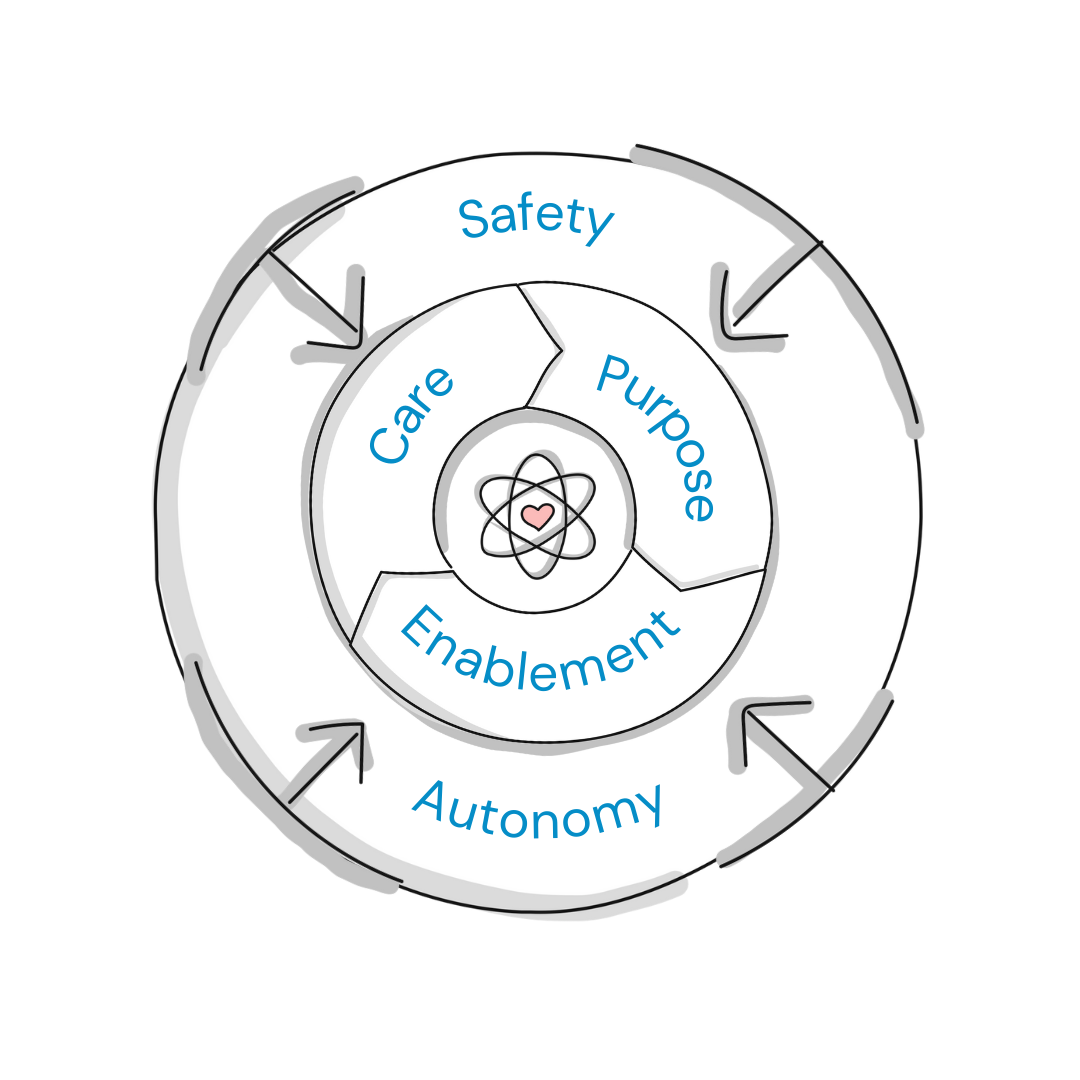
Safety
Psychological environments where people can take risks, be vulnerable, and show up as themselves without fear.
Purpose
Play embedded in existing rituals—retros, standups, meetings—not added to them. Intentional, not random.
Autonomy
Designing ways for different people to participate authentically. Introverts, extroverts, neurodivergent—everyone engages in ways that feel real.
Care
Practices that help teams see each other as whole humans—not just workers with tasks, but people with lives.
Enablement
Structured games with clear rules that create safe spaces to practice difficult skills before the stakes are high.
What becomes possible
SPACE for success
In 2025, I ran a community where tech workers connected through play-based methods. For 5 months, they played games, held campfires on hard topics, and built connection through play.
What happened next surprised even me:
74%
improvement in feeling connected to others (from 2.3/5 to 4.0/5 avg)
100%
would recommend these methods to their teams
78%
reported increased energy at work
70%
felt less isolated
67%
improved empathy and active listening
7
soft skills improved per person on average according to self reports
(Skills included: giving/receiving feedback, navigating conflict, creativity, communication, critical thinking, emotional intelligence, collaboration, expressing vulnerability, building trust, storytelling, and more)
The movement in action
What teams experience
Don’t take my word for it – here’s what the community says:
I really enjoyed the safe place built for communication and community. I liked having a place where others understood the struggles of working environments and allowed me to express them in ways that wouldn’t affect my job.

Heather J
Admin
It showed me how important having fun is and how playing with people could build the intangible elements of better communication, skills, and relationships.

Brad S
Product Manager
I’m used to just simple run of the mill “conversation starter” style games with coworkers, but this provided more experiences that gave a refreshing forum with others.

Jeff M
Sr. Software Engineer
These results came from people who weren’t even on the same work team. Imagine what’s possible when you integrate this into your actual teams, where collaboration really matters.
What makes SPACE for Play different
Most team building focuses on the wrong things—forced fun, productivity theater, one-off events that change nothing. SPACE for Play is built differently.
Built on rich Experience & Research
Not built on hunches. Built on 10+ years of practice, 5 months of concentrated testing, and research from leaders in psychological safety, play, improv, neuroscience, and other fields. Theory meets practice.
Respects How People want to work
Ever been forced into a “fun” activity you hated? SPACE for Play isn’t about that. It respects different participation styles– introverts, extroverts, neurodivergent, and more—and creates choice instead of obligation. Psychological safety requires autonomy.
Results beyond performativity
This isn’t about hitting KPIs. It’s about building teams where people can be vulnerable, give real feedback, and show up as humans. Turns out, that’s what actually drives performance. Not the other way around.
Meet the founder
Hey! I’m Lissy
I’m the Founder of HuMindWise, a lifelong gamer, senior design strategist, and creator of SPACE for Play.
My mission is to help teams (re)build what’s missing—psychological safety, connection, and humanity at work—by integrating play in a way that feels natural. I use games and methods that develop real skills and create the conditions that make extraordinary collaboration possible.

blog
Sharing what works
Insights on building play, teams, facilitation tips, game reviews, and what I’m learning as I help teams build community at work.
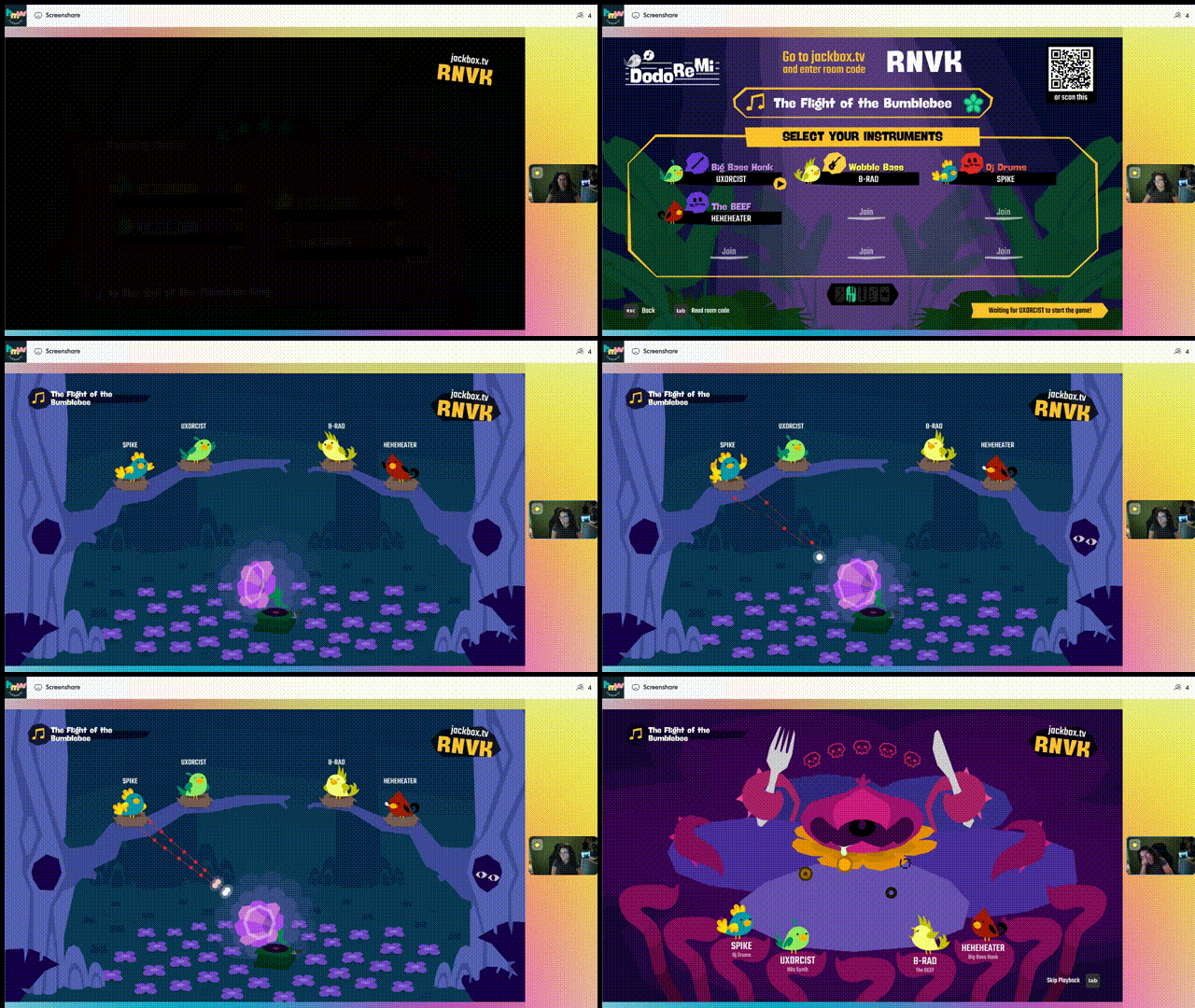
From Burnout to Breakthrough: The story of S.P.A.C.E. for Play
The story of SPACE for Play: A framework for building community at work, team connection[…]
Subscribe for insights on building community at work through play
Every Tuesday(ish), I share things like games worth trying, framework tips, and reflections on what works when helping teams connect.
Join us in rebuilding community at work